

Protect Your Smile with Gentle Scaling and Root Planing in North Miami Beach
Gum health is the foundation of a strong, confident smile. If you’ve noticed bleeding, swelling, or sensitivity while brushing or flossing, it may be a sign that deeper care is needed. At Dr. Abbo Advanced Dentistry, Dr. Abbo and Dr. Gallego, ourtop-rated dentists in North Miami Beach, FL, restore gum health and treat gum disease while preventing more serious dental issues with scaling and root planing.
Whether you’re coming from Aventura, Sunny Isles Beach, or Hallandale Beach, our team makes everygum disease treatment appointment approachable, comfortable, and easy to understand. Call 305-945-0909 to schedule your consultation and take the first step toward healthier gums and a brighter, stronger smile.
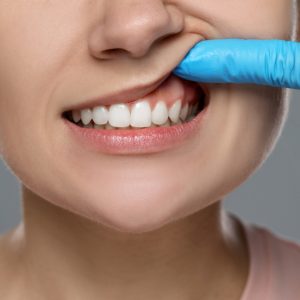 Bleeding Gums? Don’t Wait Until Tooth Loss Becomes the Warning Sign
If your gums bleed when you brush, feel tender, or your breath never feels fresh, no matter what you try, your mouth is already asking for help. Gum disease often progresses quietly—until it leads to loose teeth, infection, or permanent bone loss.
At Dr. Abbo Advanced Dentistry, we don’t just “clean teeth.” We stop gum disease at its source with gentle, advanced scaling and root planing designed to protect your teeth before surgery or tooth loss becomes necessary.
- Call 305-945-0909 now to schedule your periodontal evaluationServing North Miami Beach, Aventura, Sunny Isles Beach & Hallandale BeachSame trusted dentists. Personalized care. No rushed appointments.
The Advanced Dentistry Difference: Comfort and Customization
We understand that the thought of a “deep cleaning” can sound intimidating. At Dr. Abbo Advanced Dentistry, our focus is on providing a stress-free and effective experience.
- Comfort-Centric Approach: We typically administer local anesthesia to the treatment area, ensuring your procedure is completely numb and comfortable. We also offer sedation dentistry options for patients who experience dental anxiety, making the entire experience relaxing.
- Segmented Treatment: Depending on the severity of the disease and your comfort level, Dr. Abbo or Dr. Gallego often divides the mouth into quadrants, treating one or two sections per appointment. This ensures a focused and thorough cleaning, making the procedure more manageable.
- Ongoing Support: After your treatment, we provide detailed aftercare instructions and, if appropriate, may prescribe local antibiotics placed directly into the treated pockets to aid healing. Our team schedules subsequent visits for periodontal maintenance (more frequent cleanings than routine appointments) to protect your newfound health.
What is Scaling and Root Planing?
Scaling and root planing is a non-surgical, therapeutic procedure often referred to as a “deep cleaning.” It’s fundamentally different from a routine dental cleaning and is essential for managing gum disease and preventing serious oral and systemic health complications.
- Scaling: This involves the meticulous removal of plaque (sticky bacterial film) and calculus (hardened tartar) that has built up on the tooth surface, particularly deep below the gum line in the periodontal pockets.
- Root Planing: This is the subsequent smoothing of the tooth root surfaces. Calculus leaves behind microscopic roughness where bacteria easily gather. Smoothing these surfaces discourages bacteria from reattaching and allows the gum tissue to heal and potentially reattach firmly to the tooth root.
When is Scaling and Root Planing Necessary?
Scaling and root planing become necessary when a patient is diagnosed with chronic periodontitis (gum disease). This diagnosis is made when:
- Periodontal Pockets Exist: During an examination, the pocket depths around your teeth measure deeper than the healthy range (typically more than 3 millimeters). Deep pockets indicate that the gum tissue has detached from the tooth due to inflammation and infection, making routine cleanings insufficient.

- Calculus is Subgingival: Significant calculus buildup is detected below the gum line (subgingival calculus) that cannot be effectively removed with standard preventive cleaning methods.
- Gingivitis Progression: The initial stage of gum inflammation (gingivitis) has advanced to the more destructive stage of periodontitis, evidenced by bone loss around the tooth roots (visible on X-rays).

Curious if scaling and root planing may benefit your smile? Call 305-945-0909 to schedule your consultation with Florida’s best dentists.
Benefits of Periodontal Scaling and Root Planing
Undergoing scaling and root planing provides critical benefits for the long-term health and stability of your smile:
- Halts Disease Progression: Periodontal deep cleaning removes the primary cause of periodontitis (the bacterial calculus), stopping the cycle of inflammation and preventing further loss of the bone supporting the teeth. Most cases of chronic gum disease are successfully controlled by removing bacteria and calculus during periodontal scaling and root planing.
- Reduces Pocket Depth: As the infection clears and the root surfaces are clean, the gum tissue often tightens up and reattaches, significantly reducing the depth of the periodontal pockets.
- Controls Inflammation: By eliminating the bacterial irritants, swelling, redness, and bleeding of the gums are reduced or eliminated.
- Saves Teeth: It is often the first and most effective defense against the need for tooth extractions due to advanced gum disease.
- Improves Breath: The removal of bacteria and trapped debris eliminates a major source of chronic bad breath (halitosis).
The Scaling and Root Planing Treatment Process
The procedure, as performed by our dentists in North Miami Beach, FL, is meticulous and thorough:
- Preparation: The treatment area is gently numbed using local anesthesia to ensure your complete comfort. Sedation options may also be available for anxious patients.
- Access and Cleaning: The dentist or hygienist uses specialized instruments, including advanced ultrasonic scalers (which use gentle vibrations and water mist) and fine hand instruments, to reach deep into the pockets and remove all calculus and debris.
- Root Smoothing: The tooth root surfaces are carefully polished and smoothed (planing) to eliminate rough spots and bacterial toxins.

- Antibiotics (If Needed): In some cases, a localized antibiotic may be placed directly into the deepest pockets to aid healing and manage persistent infection.
- Follow-Up: The treatment is often divided into multiple visits (typically two or four segments) to minimize discomfort and guarantee a thorough cleaning.

Aftercare Tips for Gum Disease Deep Cleaning
Following the aftercare instructions provided by our team is essential for successful healing and gum reattachment. Proper home care is necessary to prevent the infection from recurring after scaling and root planing.
- Pain/Sensitivity: Take prescribed pain relievers and use desensitizing toothpaste.
- Diet: Eat soft, nutritious foods and avoid crunching on hard items for several days.
- Rinsing: Gently rinse with warm saltwater (or a prescribed rinse) 2-3 times daily.
- Brushing/Flossing: Be gentle around the treated areas, but do not stop cleaning. Resume normal hygiene after the initial soreness fades.
- Tobacco Use: Avoid all forms of tobacco, as it severely impairs the body’s ability to heal.
Frequently Asked Questions
A regular preventive cleaning addresses plaque and calculus above the gum line. Scaling and root planing is a therapeutic procedure performed when periodontal disease is present. It involves meticulously cleaning the tooth roots below the gum line, often requiring local anesthesia, to eliminate the infection and reduce the periodontal pockets.
Most patients can return to normal activities immediately, but your gums may feel sensitive or tender for a few days, and possibly slightly sensitive to temperature changes. After scaling and root planing, you may experience pain for a day or two and teeth sensitivity for up to a week. We advise sticking to softer foods initially and gently rinsing with warm salt water. The tenderness typically subsides within the first week.
Ignoring the need for scaling and root planing allows the bacterial infection to progress, potentially leading to tooth loss. The periodontal pockets will deepen, leading to an increasing loss of the jawbone that anchors your teeth. The result is often loose teeth, chronic bad breath, painful chewing, and eventually, the need for tooth extraction.
Initially, you may experience temporary sensitivity as the roots are exposed to the mouth after the deep cleaning, but this usually fades. If the disease was advanced, the inflammation caused the gums to swell, artificially covering the root. After healing, the gums may slightly recede to a healthier, firmer level, which can make your teeth appear slightly “longer.”