

The Step-by-Step Dental Implant Procedure: What to Expect
Losing a tooth can leave you wondering what comes next. What does getting a dental implant actually involve? How long does the procedure take? Will it hurt? When can you get your replacement tooth? At Dr. Abbo Advanced Dentistry, we make the dental implant procedure easier to understand from the first consultation through the final restoration.
Call 305-945-0909 to schedule a dental implant consultation in North Miami Beach and learn whether implants are right for you. We proudly welcome patients from Aventura, Sunny Isles Beach, and Hallandale Beach.
What Happens During a Dental Implant Procedure?
While every patient’s treatment plan is different, a typical dental implant procedure includes several stages:
- Consultation and treatment planning
- Preparation of the mouth, if needed
- Dental implant placement
- Healing and bone integration
- Placement of the final restoration
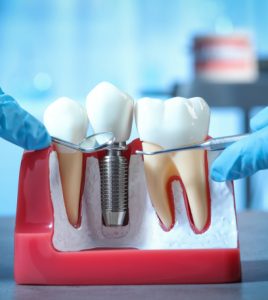 The process may take several months because the jawbone needs time to heal around the implant before the final tooth can be attached. At Dr. Abbo Advanced Dentistry, we explain each step so you know what to expect before treatment begins.
Step 1: Your Dental Implant Consultation
The first step is determining whether a dental implant is a good option for you.
During your consultation, Dr. Abbo or another member of the dental team will evaluate your teeth, gums, jawbone, and overall oral health. Digital X-rays and other imaging may be used to help plan where the implant should be placed.
Your consultation is also the right time to ask questions such as:
- How long does a dental implant take?
- Am I a good candidate for dental implants?
- Will I need a bone graft?
- What type of dental restoration will I receive?
- How long will I be without my replacement tooth?
- What can I expect after dental implant surgery?
- What are my options if I do not qualify for an implant?
The goal is to create a treatment plan based on your specific needs rather than assuming every patient will follow the same process.
Step 2: Preparing for Dental Implant Placement
Some patients can move directly to implant placement. Others may need additional treatment first. For example, bone grafting may be recommended when there is not enough healthy jawbone to provide a stable foundation for an implant. A soft tissue graft may be considered when additional gum tissue is needed.
If you have active gum disease, damaged teeth, or another oral health concern, that issue may need to be addressed before implant placement.
Step 3: Dental Implant Placement
During implant surgery, your dentist makes an opening in the gum and carefully positions the implant post into the jawbone. The implant serves as an artificial tooth root and provides a stable foundation for the replacement tooth.
Sedation options may also be available for patients who feel nervous about dental treatment or would prefer additional relaxation during their procedure.
Step 4: Healing After Dental Implant Surgery
For many patients, this healing period takes approximately three to six months, although the timeline can vary. Factors such as bone quality, overall health, the location of the implant, and whether additional procedures were performed can affect healing time.
During this stage, follow your dentist’s instructions carefully. Good oral hygiene, regular dental visits, and avoiding behaviors that interfere with healing can help support the long-term health of your implant.
Step 5: Your Final Dental Crown, Bridge, or Denture
Once the implant has healed and is stable, the final restoration can be placed.
Depending on your treatment plan, the implant may support:
- A dental crown to replace one missing tooth
- An implant-supported bridge to replace multiple missing teeth
- An implant-supported denture for greater stability
- A full-arch restoration for patients replacing most or all teeth in an arch
The final restoration is designed to look and function as naturally as possible. Your dentist will consider the size, shape, and color of the replacement teeth when planning your restoration.
How Long Does the Dental Implant Process Take?
Many patients want to know, “How long does a dental implant take from start to finish?”
For some straightforward cases, the dental implant process may take several months from placement through final restoration. However, there is no single timeline that applies to every patient.
Treatment may take longer if you need:
 Bone grafting
- Soft tissue treatment
- Tooth extraction
- Treatment for gum disease
- Multiple implants
- A more complex full-mouth or full-arch restoration
The implant placement itself may be completed relatively quickly, but the healing period is an important part of successful treatment. Rushing this stage can interfere with the stability of the implant.
Frequently Asked Questions About the Dental Implant Procedure
The number of appointments depends on your treatment plan. A straightforward implant case may involve a consultation, implant placement, healing visits, and placement of the final restoration. Patients who need bone grafting, extractions, or multiple implants may need additional appointments.
It depends on the condition of the extraction site and your bone and gum health. Some patients may be candidates for immediate implant placement, while others need time for the area to heal or require bone grafting before receiving an implant.
Possibly. Insufficient jawbone can make implant placement more difficult, but procedures such as bone grafting may help create a suitable foundation. Your dentist can determine whether you have enough bone for an implant or whether supplemental treatment is recommended.
Your dentist will monitor the implant during the healing process. If an implant does not integrate properly with the surrounding bone, additional treatment may be necessary. Contact your dental office if you notice unusual symptoms or concerns during recovery.
Dental implants and dentures serve different needs. Implants are fixed into the jawbone and can provide greater stability, while traditional dentures are removable. Your dentist can compare your options based on your oral health, bone structure, budget, and goals.
Yes. The final crown, bridge, or denture can be designed to complement the appearance of your natural teeth. The goal is to create a replacement that looks natural while restoring comfortable chewing and speaking.