

Replacing One Missing Tooth in North Miami Beach: Your Guide to the Single-Tooth Implant
At Dr. Abbo Advanced Dentistry, Dr. Bill Abbo and Dr. Gallego can help you understand your options for filling a single-tooth gap, including an implant-supported crown and a traditional dental bridge. The right choice depends on the condition of your neighboring teeth, your jawbone, your oral health, and your goals for treatment.
If you’re exploring ways to replace one missing tooth in North Miami Beach, our team can explain the differences, walk you through the treatment process, and help you decide what makes sense for your smile. Call 305-945-0909 to schedule a consultation. We welcome patients from Aventura, Sunny Isles Beach, and Hallandale Beach.
What Is a Single-Tooth Implant?
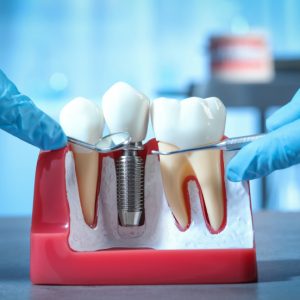
A single-tooth implant replaces one missing tooth from the root up. Think of it as three simple pieces working together:
- The implant. A small titanium post is placed in your jawbone where the tooth used to be. It acts like a new tooth root.
- The abutment. This small connector sits on top of the post and holds your new tooth in place.
- The crown. This is the part everyone sees. It’s a custom-made porcelain tooth shaped and colored to blend with your natural smile.
Over a few months, the post bonds with your bone, which is what makes it so sturdy. The result is a replacement tooth that looks, feels, and works like your own, without involving any of the teeth around it.
 Single-Tooth Implant vs. Bridge: Which Is Better for One Missing Tooth?
When you’re missing just one tooth, a bridge is the other common option, so it’s worth understanding the difference.
- A bridge uses the teeth on either side of the gap as anchors. To make that work, those healthy neighbors need to be reshaped so crowns can fit over them.
- A single-tooth implant stands on its own. Your neighboring teeth stay untouched, and the implant helps keep your jawbone strong in the spot where the tooth was lost.
For many people with one missing tooth, that’s the deciding factor. An implant protects the teeth you still have and replaces the root, not just the visible part. A bridge can still be a good choice in some situations, and Dr. Abbo will walk you through both honestly. Learn more about implant-supported bridges, porcelain fixed bridges, and other replacement options.
Replacing a Front Tooth, Premolar, or Molar
Precision Care for Front Teeth vs. Back Molars
Replacing a single tooth isn’t a one-size-fits-all procedure. Where your missing tooth is located determines our prosthodontic approach:
- Single Front Tooth Implants (Aesthetic Zone): Replacing a front tooth requires expert artistic precision. Dr. Abbo carefully shapes the gumline and custom-matches porcelain translucency so your new crown blends seamlessly with your surrounding smile.
- Single Molar or Premolar Implants (Functional Zone): Back teeth handle the heaviest chewing pressure. A single molar implant provides the structural stability needed to restore full biting power without placing extra strain on adjacent teeth.
Your Single-Tooth Implant Timeline, Step by Step
Replacing one tooth usually takes a few visits spread over several months, mostly to give your bone time to heal around the implant. Here’s what to expect from our implant procedure:
- Your consultation. Dr. Abbo checks your mouth, reviews your X-rays, and plans exactly where the implant will go.
- Placement day. The implant is placed in your jawbone, and in many cases a temporary crown is added so you aren’t left with a gap while you heal.
- Healing time. Over the next few months, your bone bonds with the implant. This is the quiet phase where the foundation gets strong.
- Your final crown. Once healing is complete, your custom porcelain crown is attached, and your smile is complete.
 If the damaged tooth still needs to come out first, we can take care of that too. Learn more about tooth extractions.
Am I a Candidate for a Single-Tooth Implant?
Most healthy adults with one missing tooth are good candidates. In general, you’re likely a good fit if you:
- Have one missing tooth, or a few missing teeth in different spots
- Have healthy gums and take good care of your teeth
- Have enough jawbone to hold the implant
- Are in good general health and ready to heal well
If your jawbone has thinned since you lost the tooth, that doesn’t automatically rule you out. A bone graft or sinus lift can often rebuild the foundation first. See our implant candidacy page and our guide to supplemental procedures for more.
Recovery and Care After a Single-Tooth Implant
Recovery from a single implant is usually gentler than people expect, because only one small area is involved.
- The first few days: Expect some mild soreness or swelling. Cold compresses and over-the-counter pain relief usually do the trick, and Dr. Abbo will give you specific instructions.
- Eating: Stick to soft foods at first and chew on the other side while the area settles.
- Brushing: Keep the area clean, and be gentle around the implant site as it heals.
- Long-term: Treat your implant crown like a natural tooth. Brush, floss, and keep up with your regular dental exams and cleanings.
For more, see our implant maintenance tips.
What Does It Cost to Replace One Tooth?
The price of a single-tooth implant depends on your specific situation, such as whether you need an extraction or a bone graft first, and which tooth is being replaced. After your exam, we’ll give you a clear, written estimate so you know exactly what to expect. You can read more about dental implant cost and explore our financing options.
Why Choose Dr. Abbo & Gallego Advanced Dentistry?
 Choosing the right dental team for your single-tooth implant is the most important decision you can make for your long-term smile, bite, and confidence. Our dental team combines advanced prosthodontic specialty care with a warm, welcoming environment where you always feel heard, comfortable, and valued.
- Specialist-level training in how teeth fit together. Dr. Bill Abbo is a prosthodontist, which means he’s an expert in replacing teeth so they look natural and work comfortably with the rest of your bite.
- A team that explains everything. We take time to walk you through each step so you always know what’s next.
- Care close to home. Our North Miami Beach office is easy to reach from Aventura, North Miami, Sunny Isles Beach, and West Park.
Frequently Asked Questions About Single Implants
Is an implant or a bridge better for replacing one tooth?
Both can restore a single missing tooth. An implant-supported crown doesn’t rely on neighboring teeth for support, while a traditional bridge generally does. Your oral health, bone availability, the condition of adjacent teeth, treatment timeline, and budget all influence the decision.
Can I replace a missing front tooth without affecting my other teeth?
An implant-supported crown can often replace a front tooth without reshaping healthy neighboring teeth. However, suitability depends on your bone and gum health and other clinical factors. A bridge may be more appropriate in some circumstances.
What if I’ve had a missing tooth for several years?
You may still have replacement options. Over time, bone loss or shifting of neighboring teeth can affect treatment planning. Your dentist can evaluate the area and determine whether an implant, bridge, or additional procedure is appropriate.
Can I get a temporary tooth while my implant heals?
Sometimes. A temporary replacement may be possible depending on the implant’s location, stability, bite forces, and treatment plan. Your dentist can explain whether this is appropriate for your case.
How do I decide between a single implant and a bridge?
Ask your dentist to compare the condition of your neighboring teeth, available jawbone, expected treatment time, maintenance requirements, and total cost. A consultation can help you understand which approach best suits your circumstances.
Explore Your Options for Replacing One Missing Tooth in North Miami Beach
Both can restore a single missing tooth. An implant-supported crown doesn’t rely on neighboring teeth for support, while a traditional bridge generally does. Your oral health, bone availability, the condition of adjacent teeth, treatment timeline, and budget all influence the decision.
An implant-supported crown can often replace a front tooth without reshaping healthy neighboring teeth. However, suitability depends on your bone and gum health and other clinical factors. A bridge may be more appropriate in some circumstances.
You may still have replacement options. Over time, bone loss or shifting of neighboring teeth can affect treatment planning. Your dentist can evaluate the area and determine whether an implant, bridge, or additional procedure is appropriate.
Sometimes. A temporary replacement may be possible depending on the implant’s location, stability, bite forces, and treatment plan. Your dentist can explain whether this is appropriate for your case.
Ask your dentist to compare the condition of your neighboring teeth, available jawbone, expected treatment time, maintenance requirements, and total cost. A consultation can help you understand which approach best suits your circumstances.